


Agility in Action: The Role of PRN Staffing
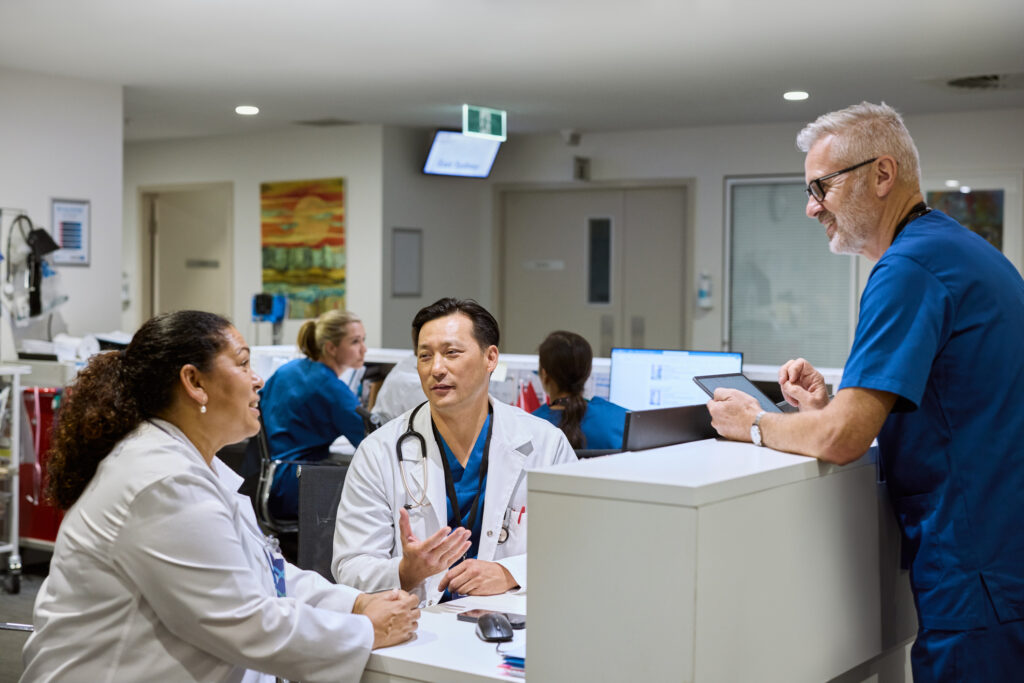
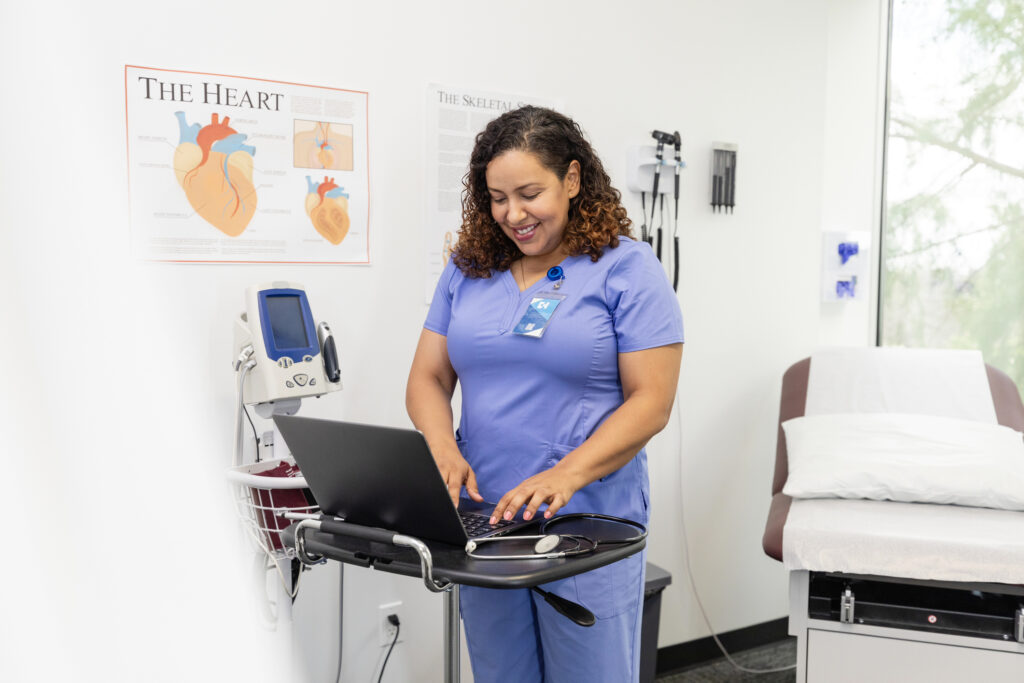
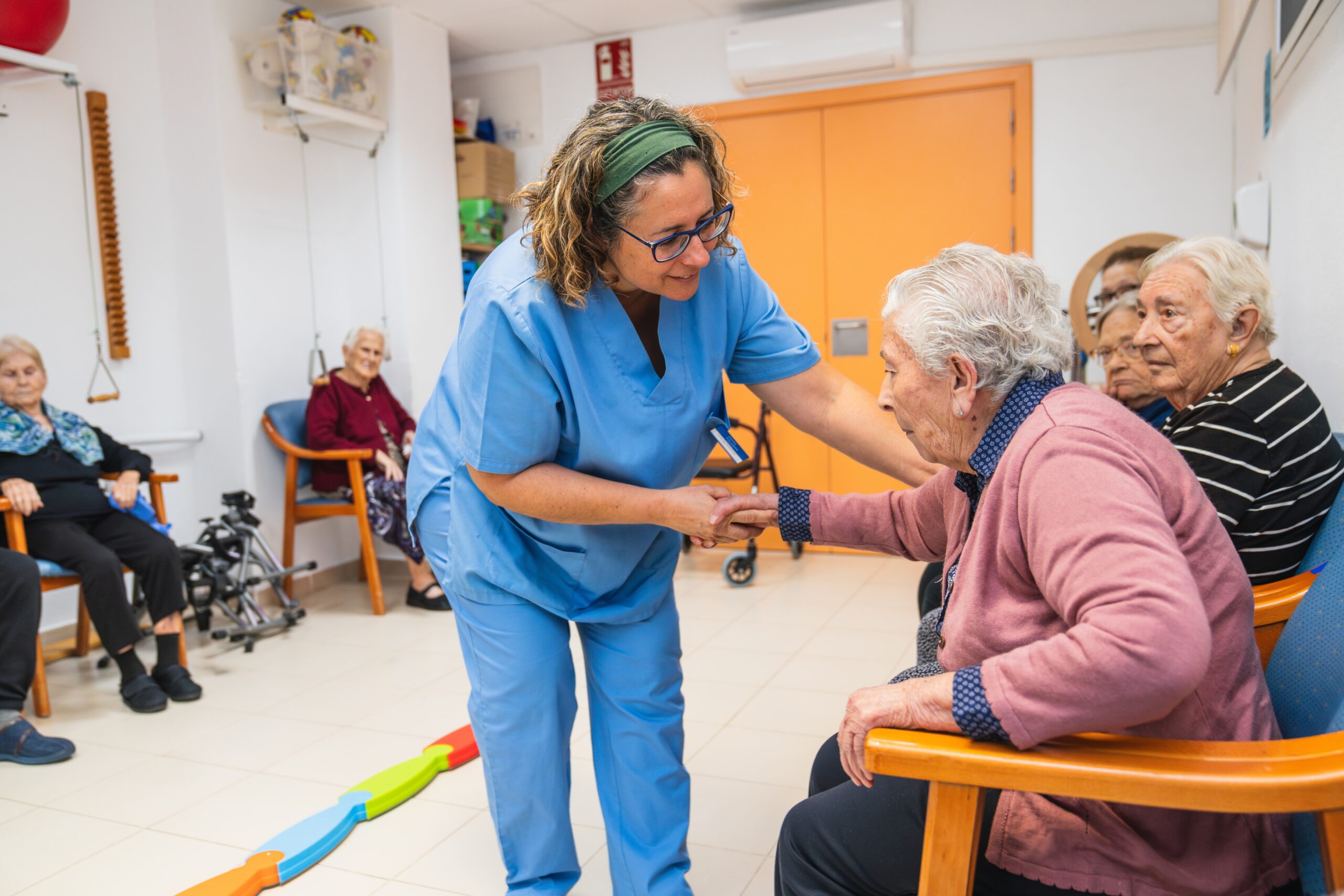
In the healthcare industry, the only constant is change. Patient census can spike overnight due to seasonal illnesses, local emergencies, or unexpected community growth. To manage these fluctuations without compromising quality of care, many facilities rely on PRN (pro ro nata) staffing —a Latin term meaning “as the situation arises”. Unlike full-time staff who have set schedules, PRN providers work on an as-needed basis.
The Financial Benefits of a Flexible Workforce
Maintaining a massive full-time staff to cover “peak” times can lead to incredibly high overhead during “valley” periods. PRN staffing allows administrators to remain agile, protecting the organization from the burden of inflated fixed labor costs, which often account for over 50% of all operating costs.
Combating Burnout and Protecting Patient Safety
Beyond the balance sheet, PRN staffing is a vital tool for employee wellness. When a facility is short-handed, the burden falls on the core team, leading to mandatory overtime and eventually, burnout. Appropriate staffing levels are critical for patient safety and preventing burnout. PRN staff act as a safety net, stepping in to fill gaps so the permanent team can maintain a healthy work-life balance.
A Career Choice for the Modern Clinician
For many healthcare professionals, working PRN is a deliberate career choice. It offers unmatched flexibility, allowing them to balance family commitments or avoid the administrative fatigue of a full-time role. For the facility, this means access to a diverse pool of experienced talent ready to hit the ground running. For the modern healthcare organization, a robust PRN strategy isn’t just a convenience, it’s an operational necessity for sustainable growth.
Need a more agile workforce? Our team helps you design a staffing model that flexes with your patient volume. Discover how we can design what you need through our intentional approach.


Related Articles